
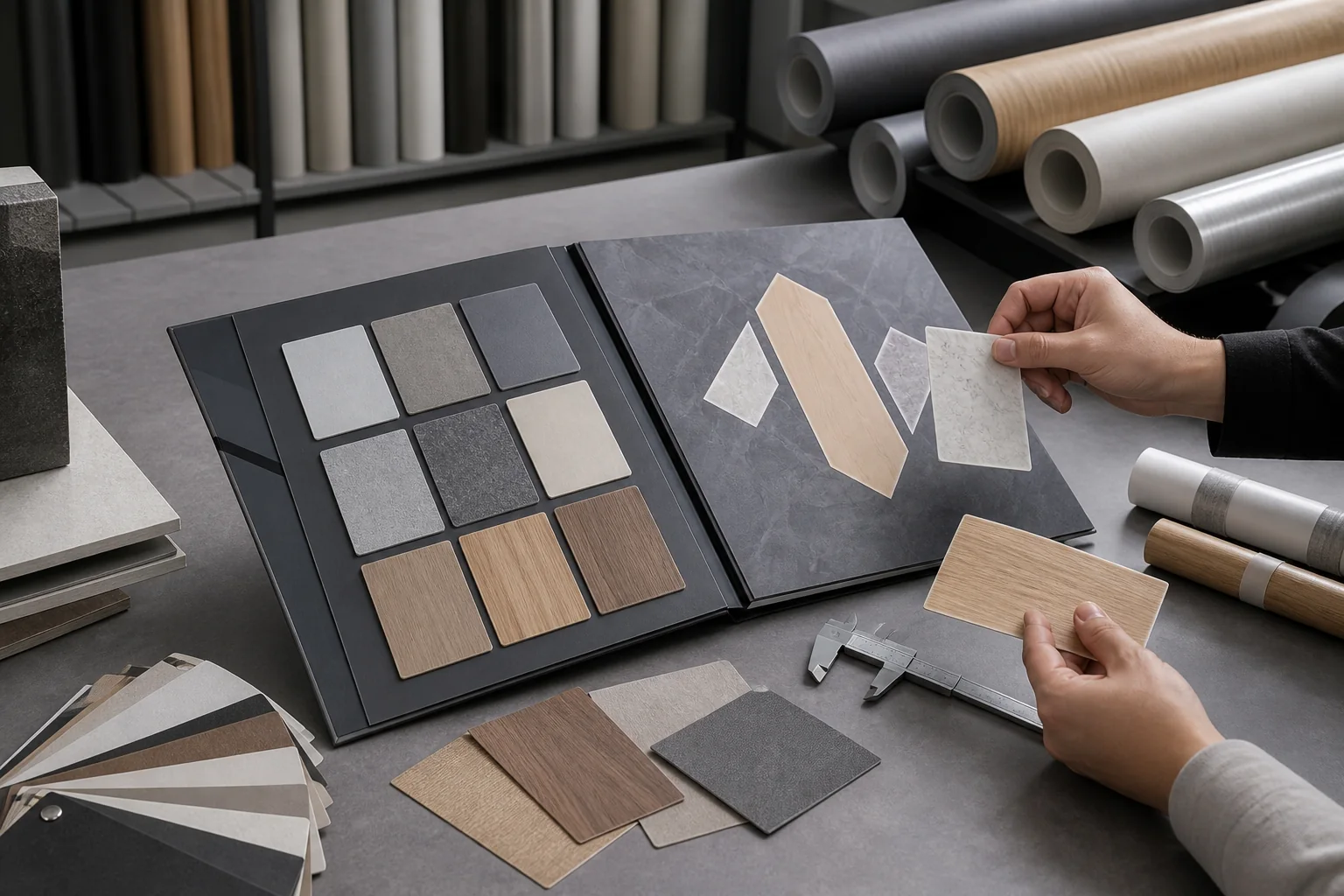
Choosing an interior film supplier is a commercial risk decision, not simply a search for attractive patterns or the lowest roll price. For distributors, contractors, furniture manufacturers, designers, and project procurement teams, the right supplier must connect finish selection with substrate compatibility, repeat-order control, converting quality, export packaging, documentation, and responsive after-sales support.
This guide explains how to compare an interior film supplier, architectural film supplier, or PVC decorative film manufacturer for commercial interiors and furniture-surface applications. It focuses on evidence that can be checked before samples, pilot orders, and bulk purchasing.
Written by: CAVIOSEN Content Team | Last reviewed: August 7, 2026
Why Interior Film Supplier Selection Matters
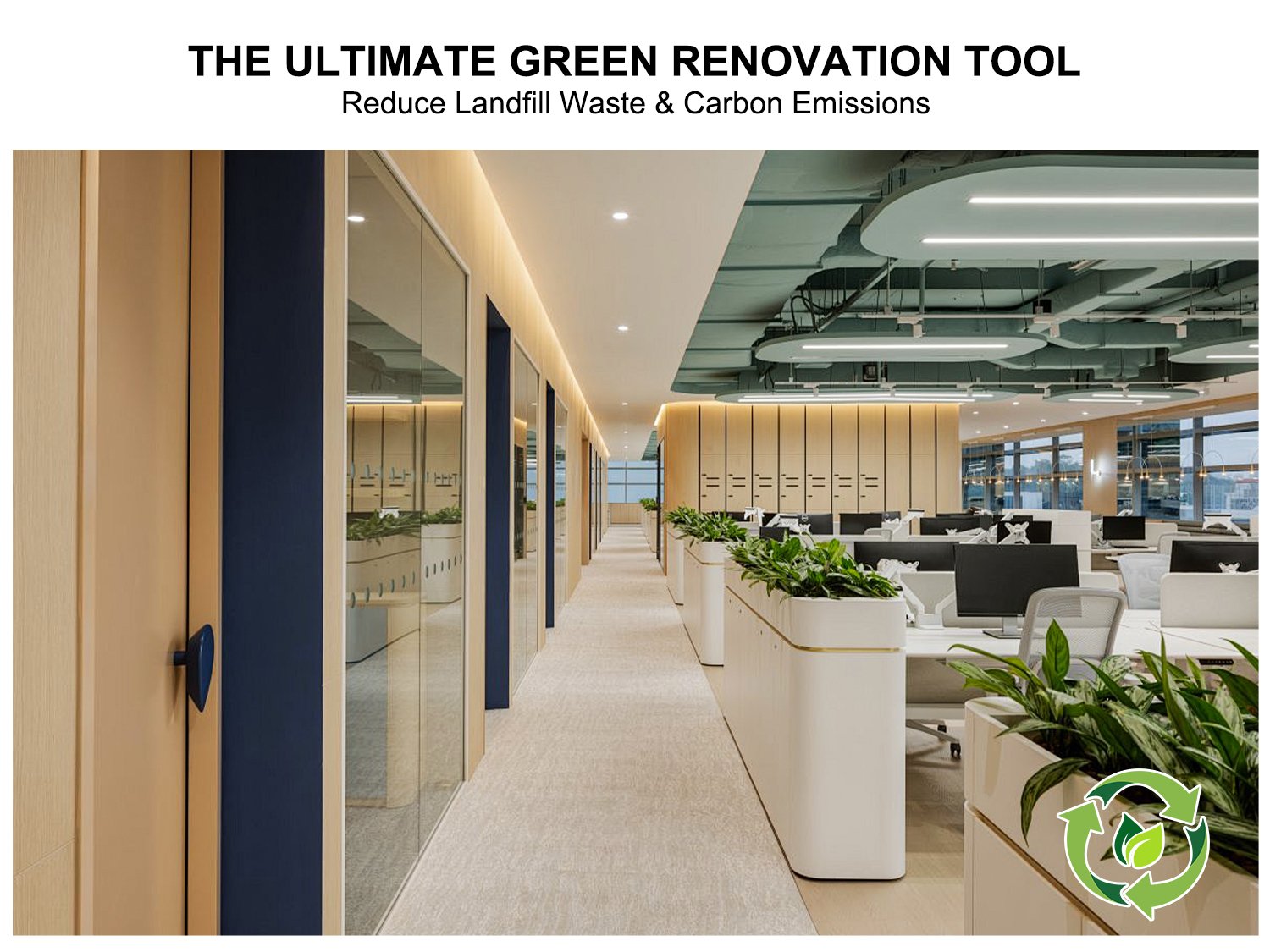
Architectural interior film is used to renovate or decorate suitable indoor walls, doors, cabinets, counters, panels, lift interiors, shop fixtures, and furniture surfaces. The visible finish is only one part of the supplied system. Adhesive behavior, release liner, roll edges, winding, batch consistency, labeling, packing, and installation guidance can all affect the finished project.
A distributor also needs reliable reordering and clear product codes. A contractor needs material that arrives protected and on schedule. A furniture manufacturer needs repeatable converting and surface results. A commercial buyer should therefore compare the complete supply process rather than treating every quotation as an equivalent roll of decorative vinyl.
1. Check Application and Substrate Expertise
Start by describing the intended surface and operating environment. Share the substrate, surface condition, project type, design direction, expected traffic, cleaning routine, required roll dimensions, installation schedule, and destination market. A capable supplier should ask follow-up questions before recommending a finish.
- Walls and partitions: identify joints, coatings, flatness, moisture concerns, and impact exposure.
- Doors and cabinets: explain edge profiles, grooves, corners, hardware, and wrapping details.
- Furniture panels: specify board construction, surface treatment, panel size, and production method.
- Commercial interiors: include access limitations, operating hours, phased work, and maintenance requirements.
Use a trial panel on the actual substrate before approving a bulk order. CAVIOSEN’s interior film installation guide is a useful planning reference, but project conditions must still be validated on site.
2. Request Physical Samples Linked to Product Codes
Digital images cannot fully communicate color, gloss, embossing, tactile depth, or appearance under project lighting. Request physical samples from the same product family and construction being quoted. The sample should carry a product code that can be matched to the quotation, order confirmation, roll label, and packing list.
Ask whether the sample represents current production and how the approved reference is controlled. For a multi-phase project, discuss batch planning before the first order. For a distribution program, confirm how discontinued finishes, replacements, and new catalog editions are communicated.
3. Evaluate Catalog and Range Control
A large finish library is valuable only when samples, product codes, production records, and order documents remain aligned. Review how the supplier organizes wood, marble, cement, metallic, solid-color, fabric, leather, and specialty effects. Then select a practical range for your market instead of requesting every pattern without a sales plan.
CAVIOSEN’s architectural interior film collections allow buyers to browse finish families before requesting samples. Distributors can use the interior film catalog download to build an initial shortlist, then confirm physical samples for the final purchasing decision.
4. Review Film Construction and Product Documentation
Ask for information that applies to the exact series being considered. Useful documentation may include the decorative face construction, adhesive and release-liner description, dimensions, storage guidance, substrate preparation, installation method, care instructions, and applicable test reports.
Do not assume every finish has identical characteristics. If a project or destination market requires a particular test document, verify the tested company, product model, standard, laboratory, report number, issue date, and covered construction before production. CAVIOSEN’s technical specification resources provide a starting point for product review.
5. Inspect Converting and Quality Control
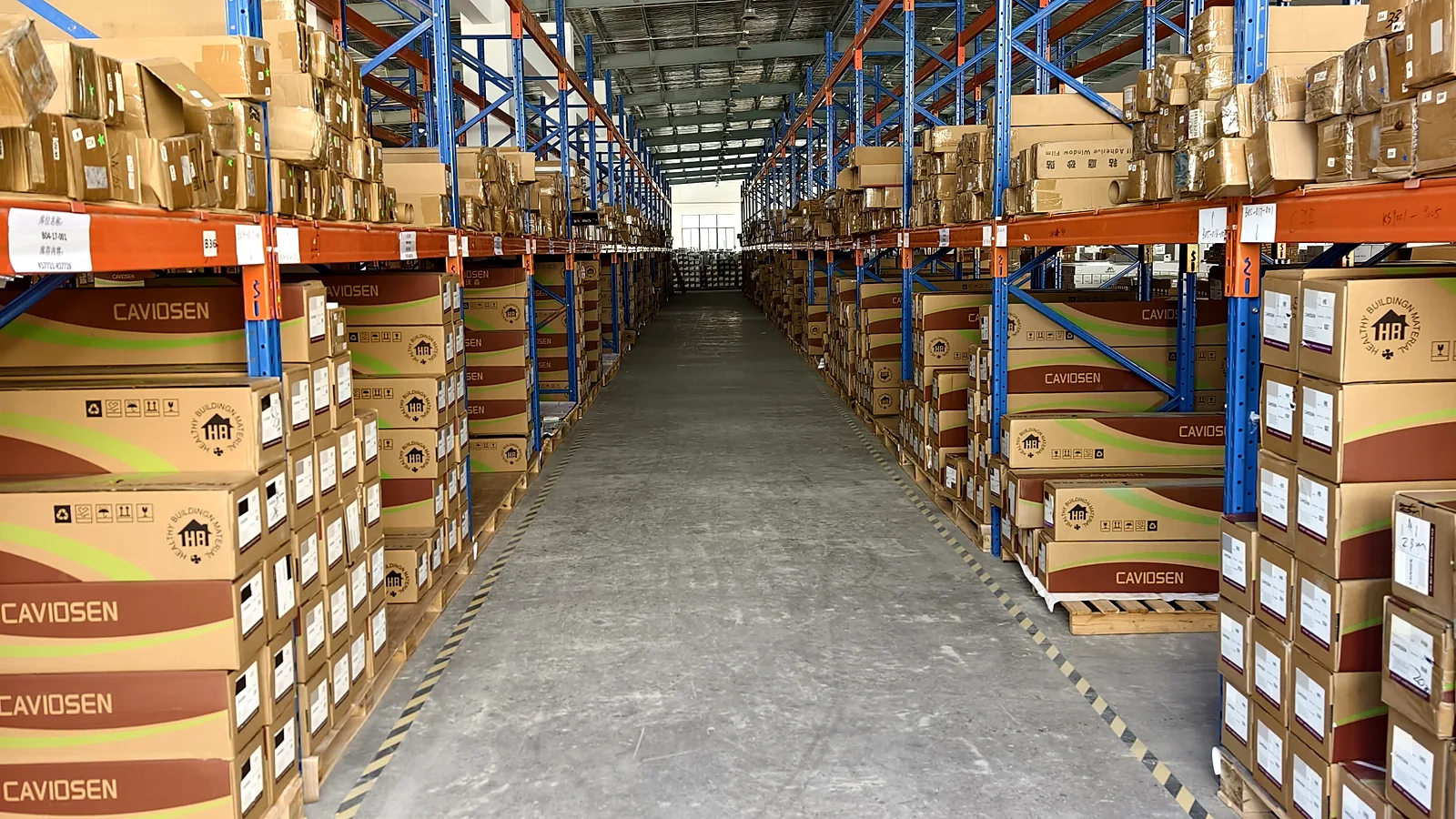
Slitting and rewinding quality affects roll edges, winding stability, handling, and installation yield. During an on-site or live video review, inspect the converting area, material path, finished-roll handling, identification process, and separation of accepted and nonconforming material.
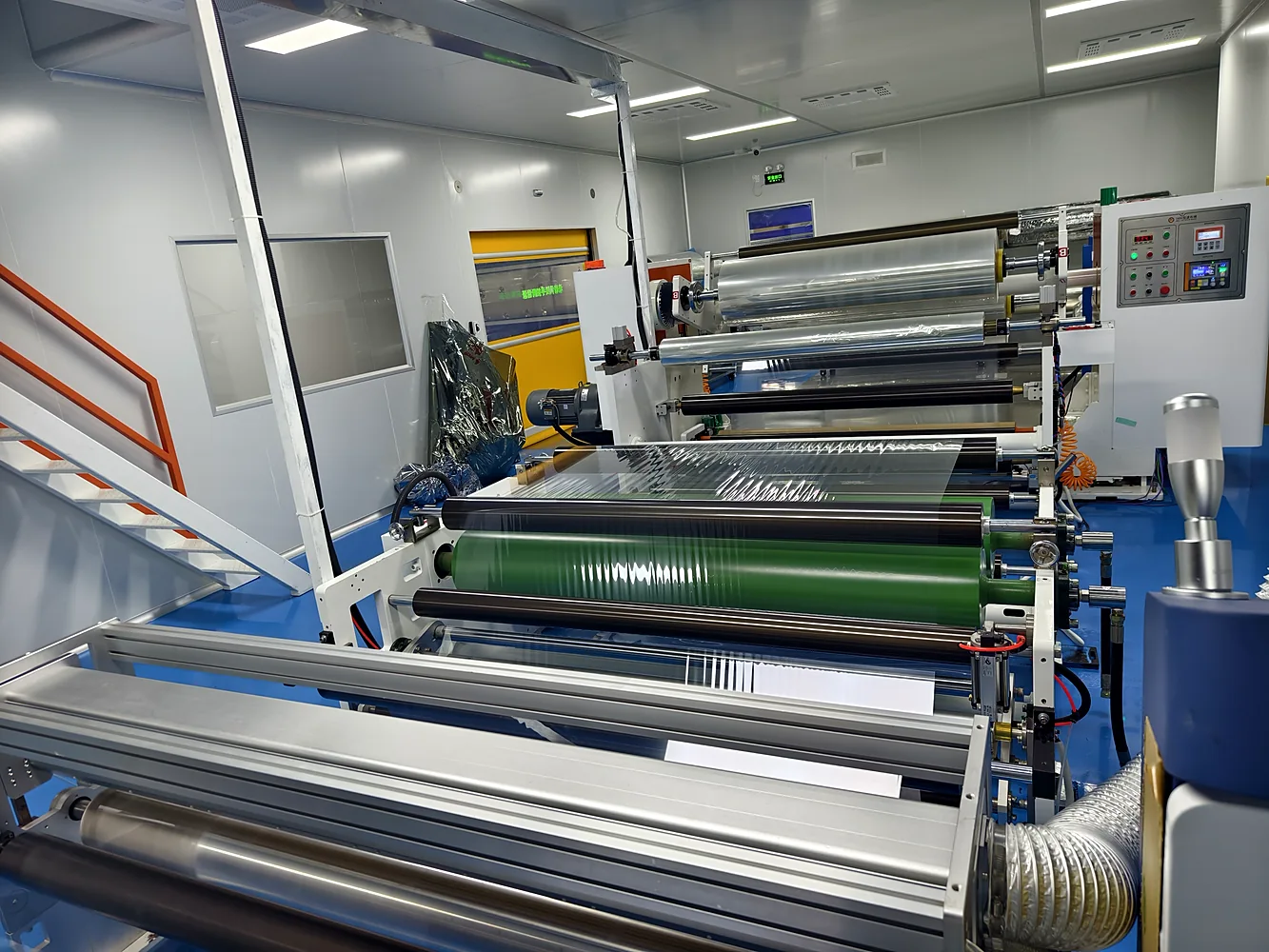
Agree in writing on important criteria such as roll width and length, appearance, edge condition, winding, wrinkles, telescoping, splices, contamination, and packaging damage. Ask what is checked during incoming, in-process, and final inspection, who releases the order, and which records can be provided for an important shipment.
6. Verify Batch and Reorder Traceability
Repeat-order reliability is essential for distributors and phased commercial projects. Ask the supplier to trace a selected roll from its label back to the product code, order, production or batch reference, inspection status, and packing list. Then confirm how the same information will be preserved on future orders.
Keep an approved physical sample and receiving record. When goods arrive, record the purchase order, product code, quantity, roll or batch reference, carton condition, roll condition, and any visible variation. This evidence makes communication faster if a later claim involves adjacent panels or repeat orders.
7. Examine Export Packaging and Logistics Readiness
Interior film may pass through a factory warehouse, freight forwarder, container, distributor warehouse, workshop, and jobsite. Packaging must protect roll ends, faces, labels, cores, and cartons across the complete route. Ask for a packing proposal before shipment, especially for mixed-pattern orders.
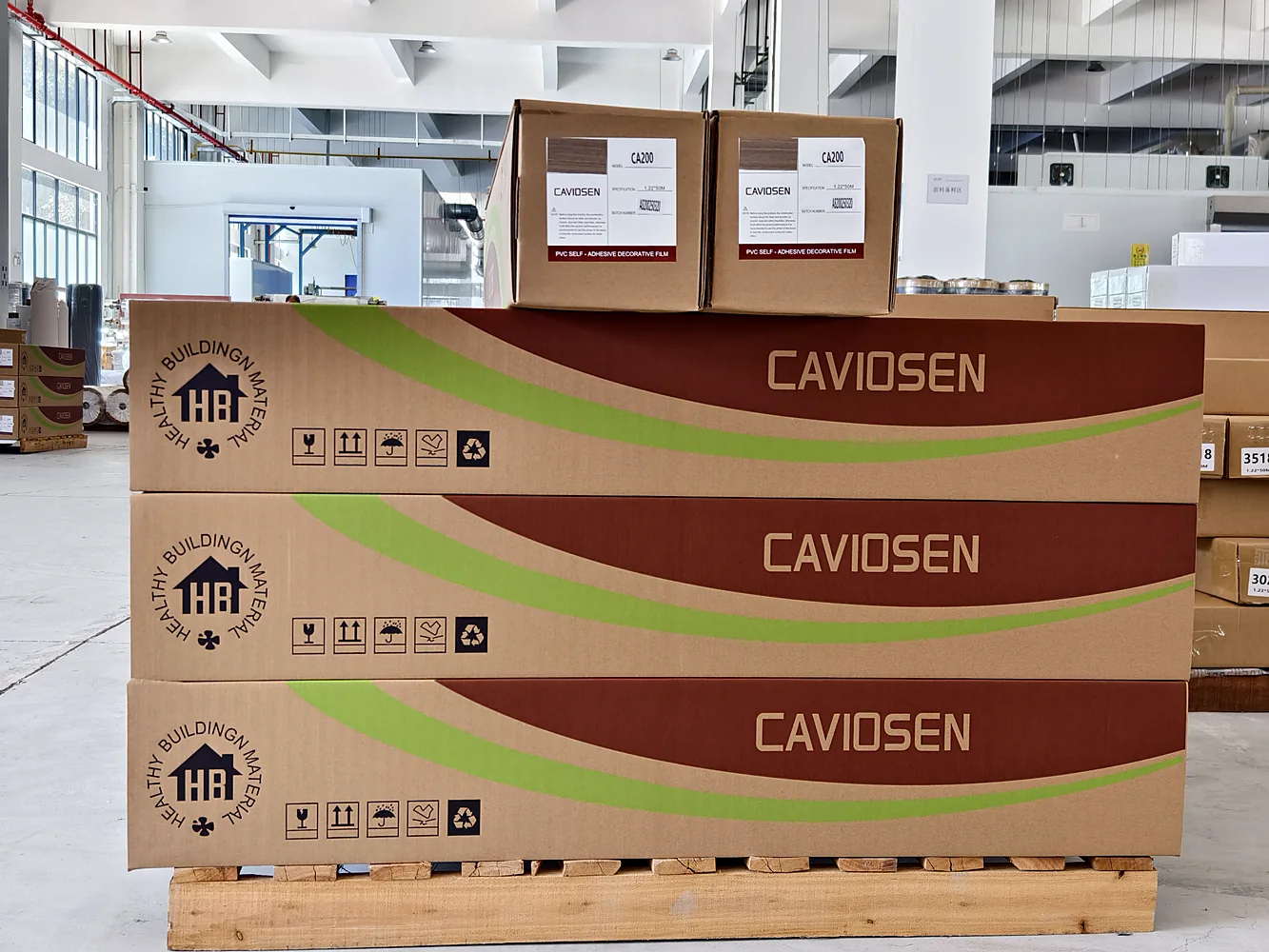
Confirm carton construction, internal roll protection, product-code labels, package marks, pallet or loose-loading plan, mixed-code separation, and packing-list sequence. The receiving team should be able to identify each carton without opening every roll. Review CAVIOSEN’s factory and export preparation when planning a supplier assessment.
8. Compare MOQ, Lead Time, and Order Planning
MOQ and lead time are meaningful only when connected to a specific product mix and delivery plan. Ask which finishes are normally available, which require production, how mixed-pattern orders are handled, when order changes stop being possible, and how peak-season capacity affects the promised schedule.
For project work, include sample approval, document approval, production, inspection, packing, and transport in the schedule. For a distributor launch, separate the opening assortment, sample books, stock order, replacement stock, and later replenishment. Request written confirmation rather than relying on a general statement about factory capacity.
9. Test Technical and Commercial Support
Before placing a large order, send a realistic enquiry containing your company, business type, country, website or social page, intended application, substrate, product codes or design direction, estimated quantity, destination, and required delivery date. Evaluate whether the reply addresses the full request or only returns a unit price.
A strong B2B response should identify missing information, confirm sample arrangements, explain relevant documentation, clarify commercial terms, and flag schedule or application risks. Buyers exploring ongoing representation can review the CAVIOSEN interior film distributor program and customer feedback.
10. Confirm Claims and Corrective-Action Procedures
Ask for the claim-submission period, responsible contact, required evidence, investigation process, root-cause method, and replacement or credit procedure. Clarify whether photos, carton labels, roll references, unused material, installation records, and retained samples may be needed.
A useful corrective-action response should identify the affected order, contain the immediate risk, explain the likely cause, define the corrective action, and state how recurrence will be prevented. Agree on the process before the first large purchase order rather than negotiating it after a project problem.
Interior Film Supplier Scorecard
| Selection area | What to verify | Evidence to request |
|---|---|---|
| Application fit | Substrate, use environment, preparation, installation | Application questions and trial recommendation |
| Physical samples | Color, gloss, embossing, product-code match | Labeled current-production samples |
| Catalog control | Finish families, code management, range updates | Current catalog and sample-book process |
| Documentation | Construction, dimensions, storage, applicable tests | Series-specific technical files |
| Converting | Width, length, edges, winding, core, contamination | Line review and written acceptance criteria |
| Quality control | Incoming, in-process, final checks, release authority | Inspection records for the order |
| Traceability | Order, product code, batch or roll reference | Roll label, carton label, packing list |
| Packaging | Roll protection, marks, mixed-code separation | Packing specification and shipment photos |
| Commercial planning | MOQ, lead time, change cut-off, payment and trade terms | Complete written quotation and schedule |
| After-sales | Claim period, evidence, investigation, remedy | Written claim and corrective-action procedure |
Frequently Asked Questions
What information should I send an interior film supplier?
Send your company name, business type, country, website or social page, application, substrate, interested finishes, estimated quantity, destination, schedule, and any testing, documentation, packaging, or commercial requirements.
Should I choose a manufacturer or a trading company?
Verify the complete relationship rather than relying on the sales title. Confirm which legal entity manufactures, invoices, exports, controls quality, and accepts responsibility for claims. The evidence and communication process matter more than the label alone.
How many samples should I request before a bulk order?
Request enough labeled samples to compare shortlisted finish families on the intended substrates and under project lighting. For important or phased orders, consider a pilot quantity and keep an approved reference for receiving inspection.
How can I audit an overseas supplier remotely?
Use a continuous live video walkthrough covering the exterior, production, converting, inspection, warehouse, and packing areas. Ask the team to trace a selected roll or carton. For a detailed process, use the interior film manufacturer audit checklist.
Request Business Samples
CAVIOSEN supports qualified distributors, importers, contractors, furniture manufacturers, designers, and commercial-project buyers evaluating architectural interior film for indoor and furniture surfaces.
Download the CAVIOSEN interior film catalog to shortlist finishes, then request business samples or submit a project enquiry. Include your business details, application, substrate, expected quantity, interested series, delivery destination, and target schedule. Sample availability, courier arrangements, and charges are confirmed before dispatch.
 English
 Spanish
 Japanese
 Russian
 Indonesian
 Vietnamese
 Thai
Thai German
 Polish
 Korean
 Italian
 French
 Dutch
Dutch