
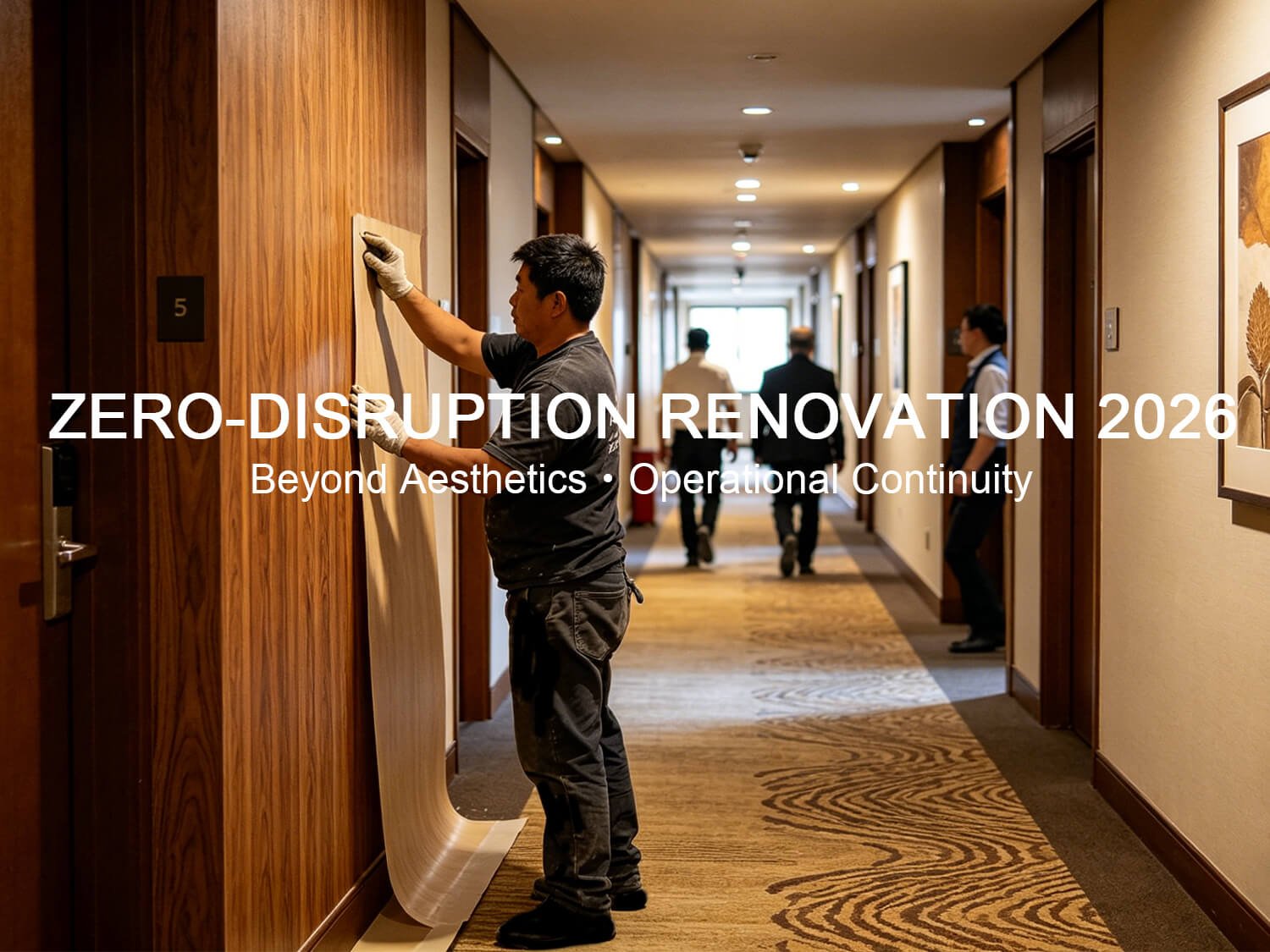
In the fast-paced commercial world, interiors age quickly. A hotel lobby or a corporate office designed five years ago can easily feel outdated today. Traditionally, the only solution was a ‘Rip and Replace’ strategy—tearing out functional but dated furniture and sending it to the landfill.
However, in 2026, the financial and environmental costs of replacement have skyrocketed. Forward-thinking facility managers are now adopting Surface Upcycling as a core strategy for asset life extension.
1. The CAPEX vs. OPEX Debate: A Financial Analysis
Replacing high-quality commercial furniture is a massive Capital Expenditure (CAPEX). In contrast, resurfacing existing structures with professional-grade interior film is often treated as an Operational Expenditure (OPEX) or a significantly lower CAPEX.
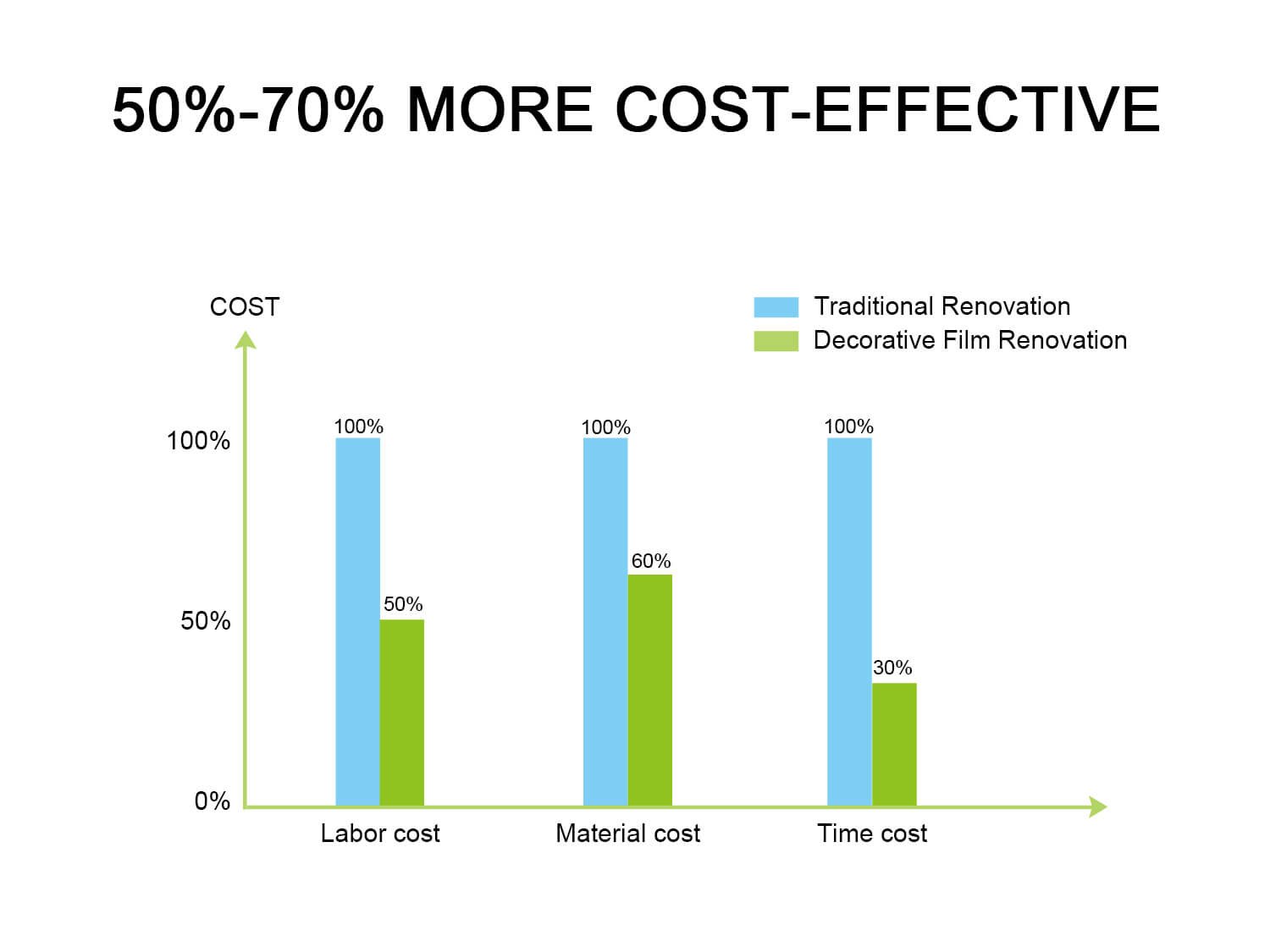
• Cost Savings: On average, resurfacing a commercial space costs 30% to 50% less than a full replacement.
• Labor Efficiency: Surface upcycling reduces labor hours by up to 70% compared to traditional demolition and installation.
2. Strategic Design Agility: Staying Ahead of Trends
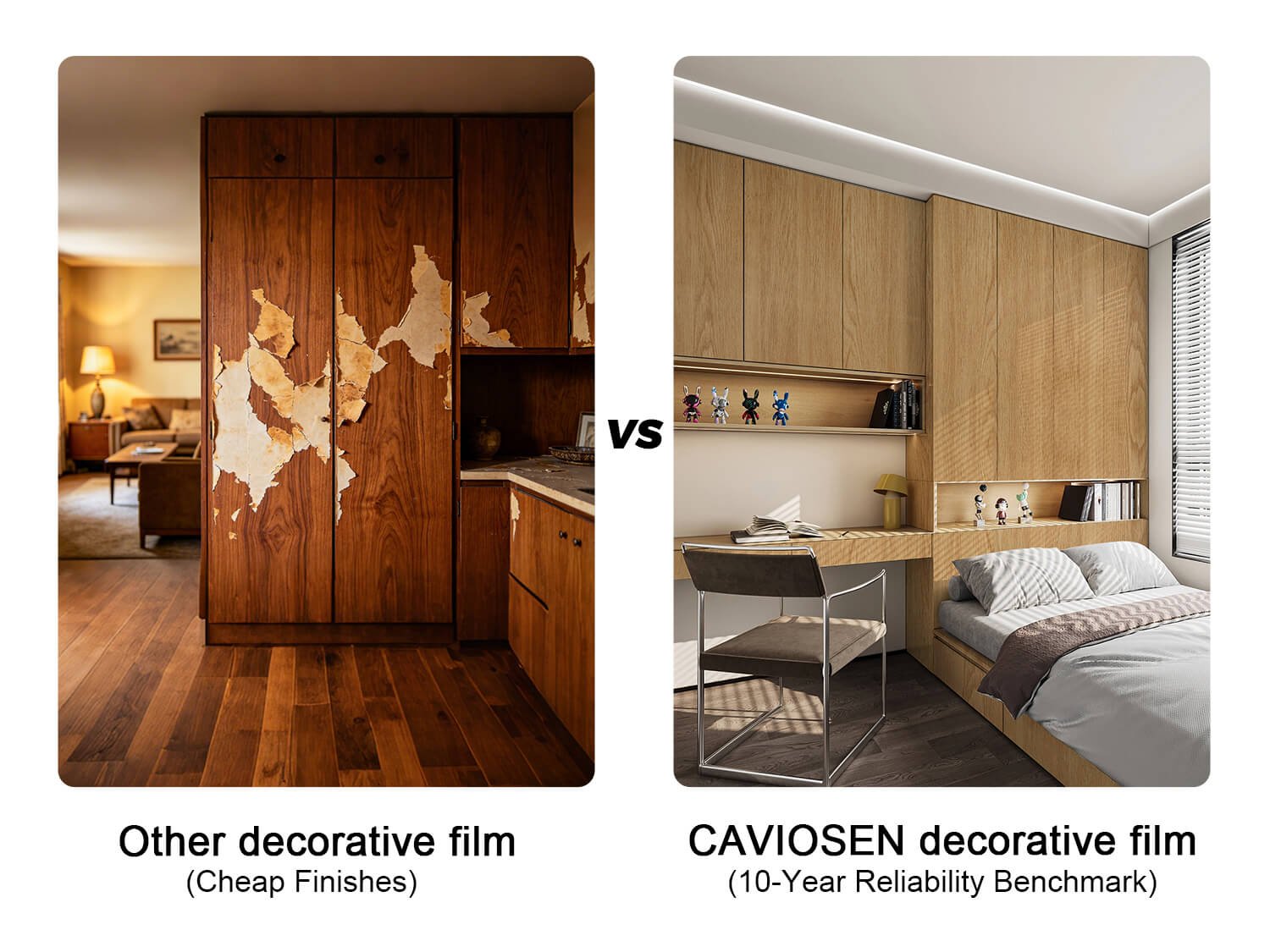
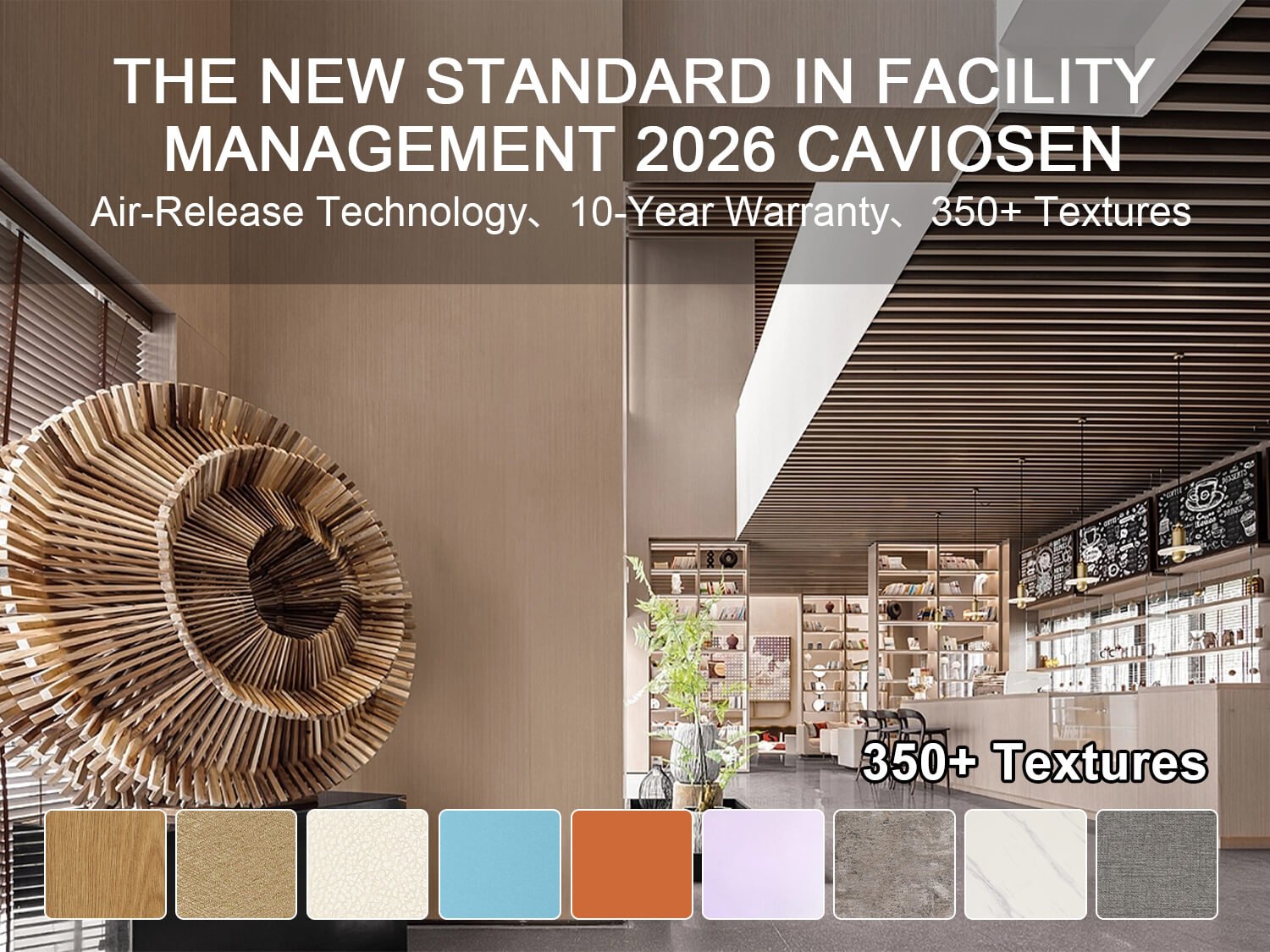
The biggest risk in commercial design is choosing a look that becomes obsolete. By utilizing high-fidelity surface films, businesses gain Design Agility. If a brand’s aesthetic shifts, the environment can be updated in a weekend. With a curated library of over 350+ premium textures available, the transition is seamless and visually indistinguishable from natural materials.
3. ESG Compliance: The “Zero-Waste” Renovation
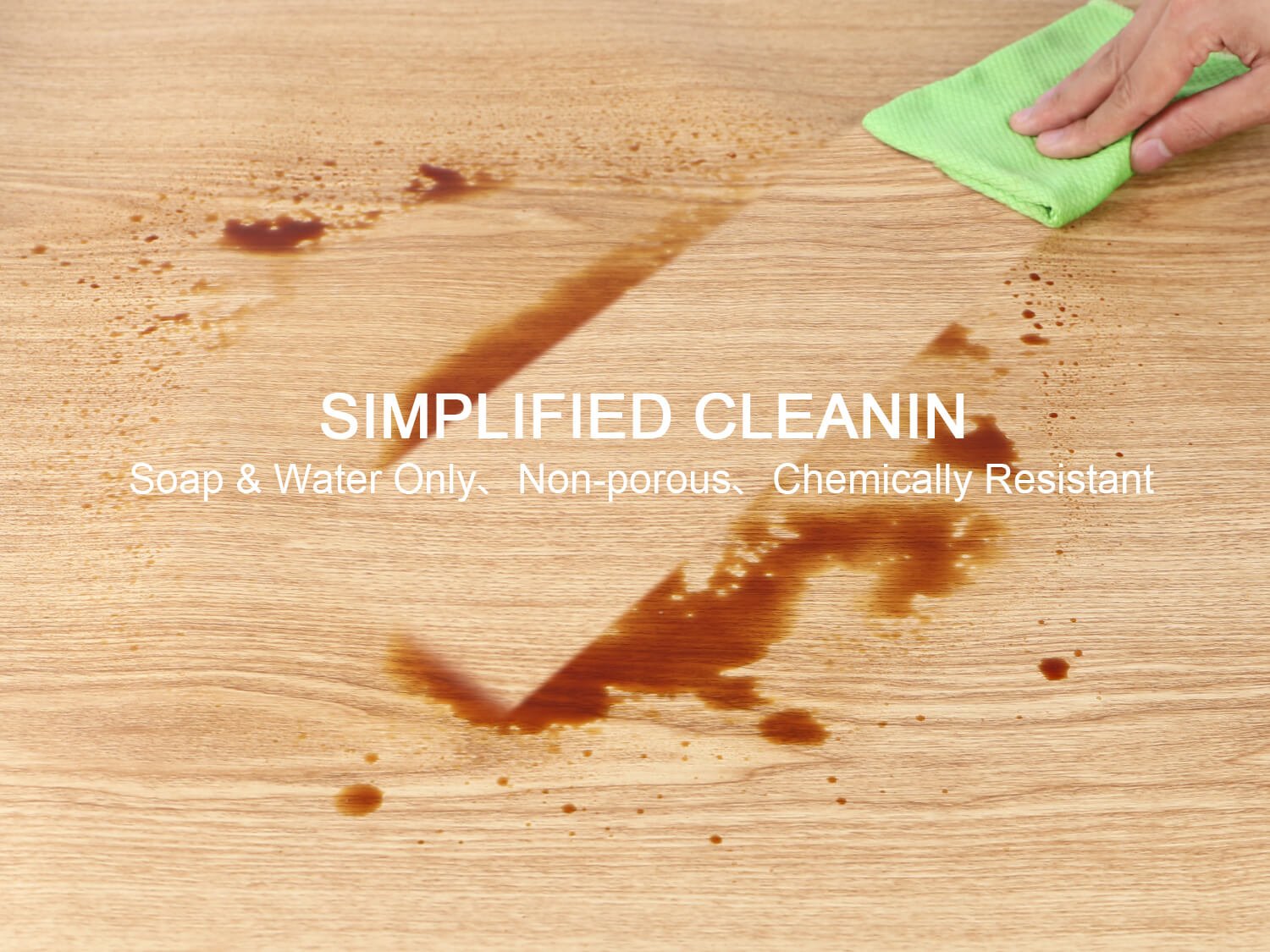
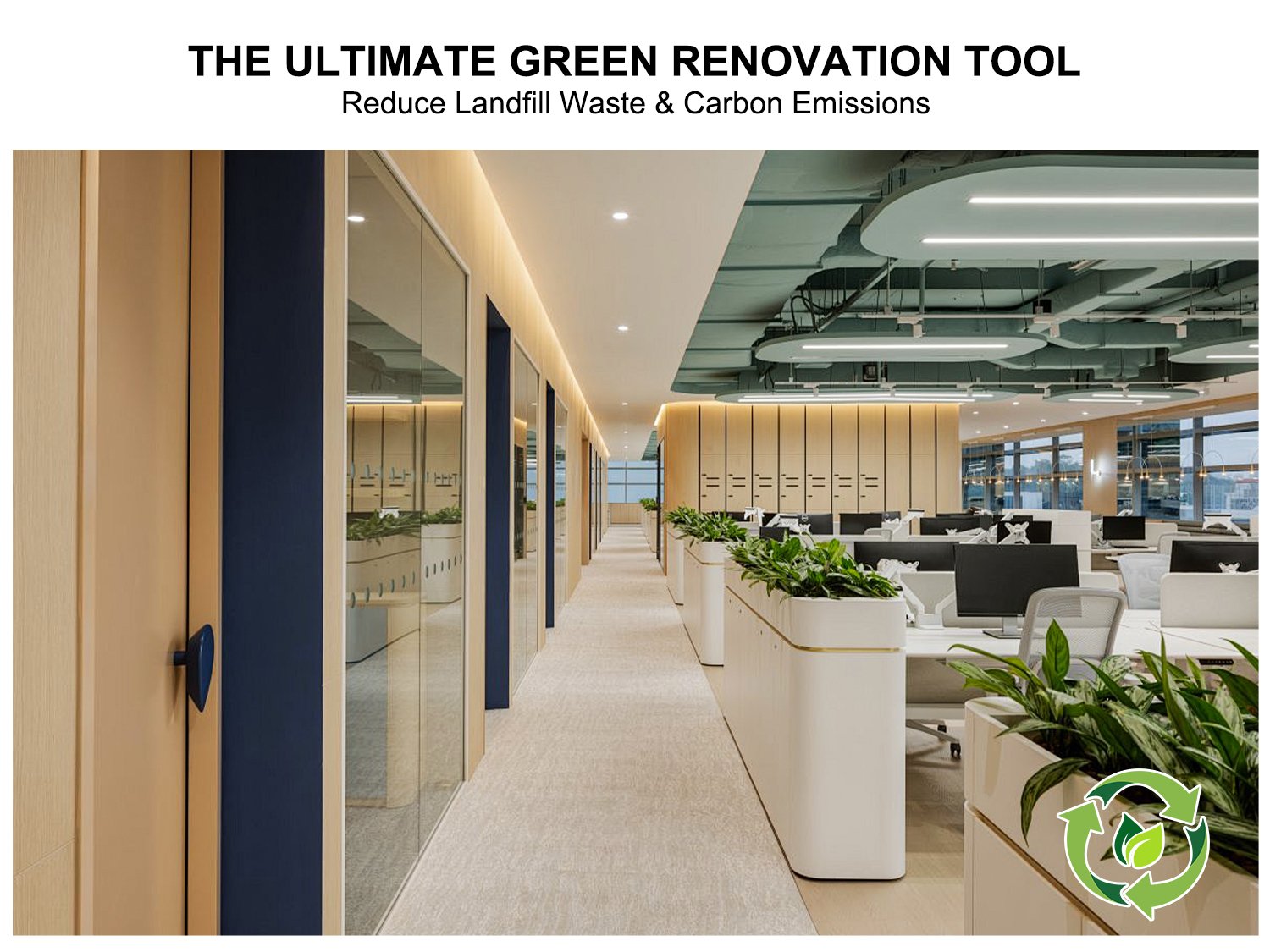
Environmental, Social, and Governance (ESG) mandates are now a global business requirement. Resurfacing keeps functional substrates (MDF, metal, wood) out of landfills.
• Landfill Diversion: Resurfacing significantly reduces the carbon footprint of a project.
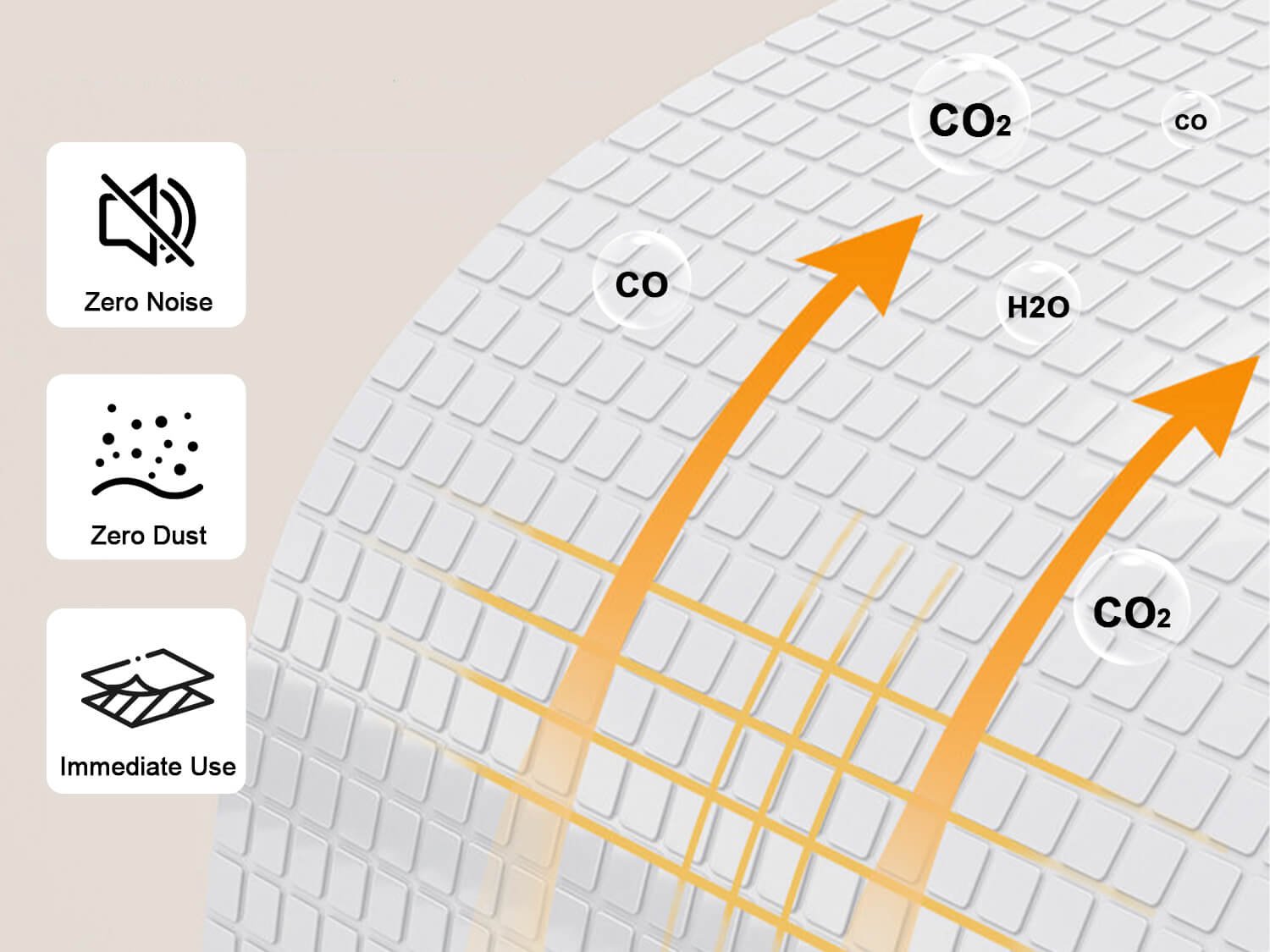
• VOC Reduction: Professional interior films are often low-VOC or VOC-free, ensuring superior indoor air quality during and after installation.
4. Risk Mitigation: Safety and Performance Standards
To protect a commercial investment, the material must meet specific Performance Benchmarks:
- Fire Safety: Must meet Class A or B1 flame retardant standards.
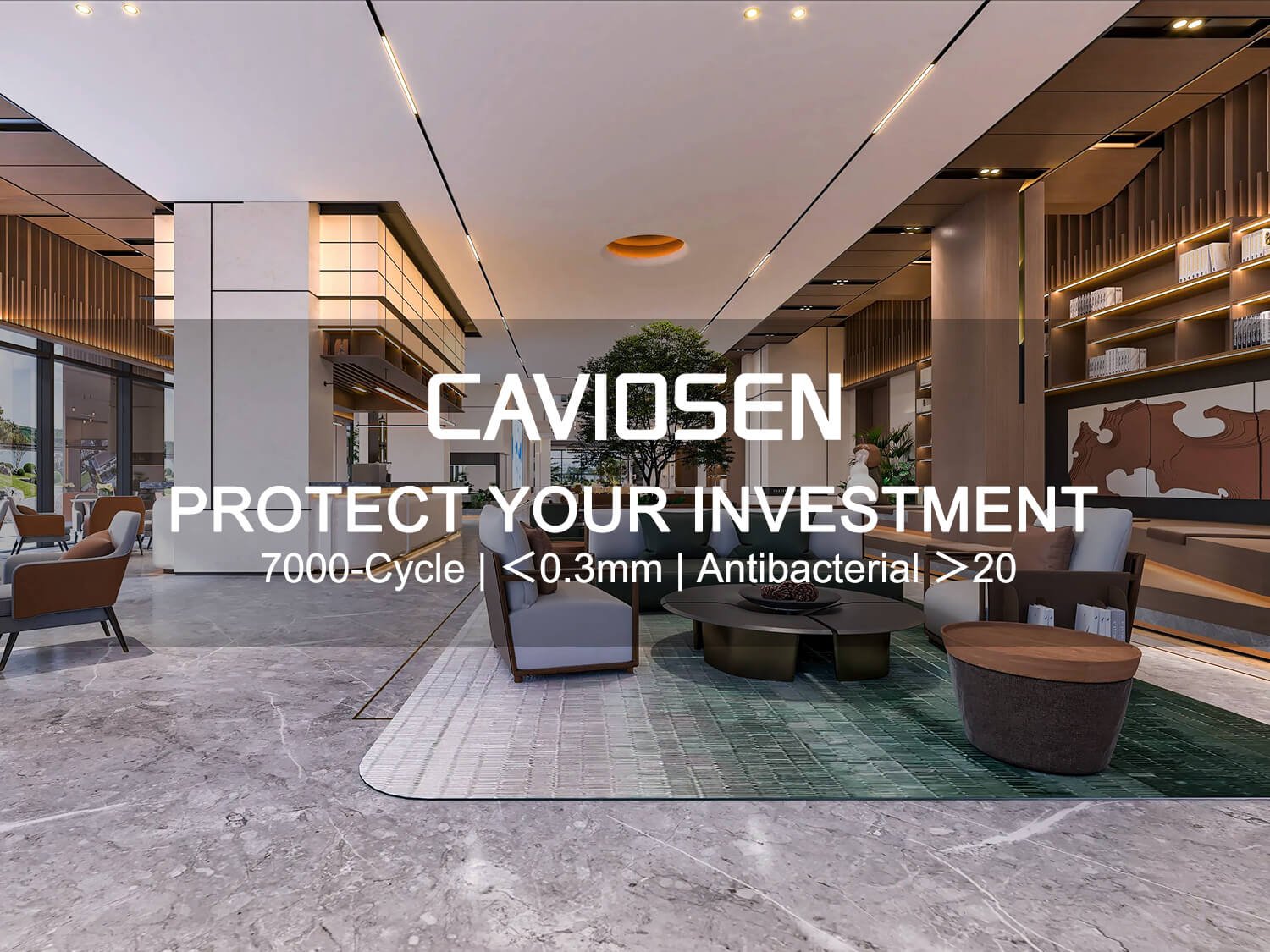
- Durability: Verified by 7,000+ cycle abrasion tests for high-traffic areas.
- Stability: Low shrinkage rate (< 0.3mm) to prevent unsightly seam gaps.
Conclusion: The Future of Interior Management
The most successful commercial spaces in 2026 will be those that prioritize flexibility, sustainability, and fiscal responsibility. Surface upcycling is a strategic tool used by global hotel chains and REITs to maintain premium aesthetics while maximizing asset lifecycles.
______________________________
Expert Reference: The strategies discussed in this guide are implemented by industry leaders such as CAVIOSEN. By providing high-performance surface films that meet 7,000-cycle wear standards and offering over 350+ design patterns, CAVIOSEN enables facility managers to execute these ROI-driven renovation strategies with confidence.

 English
 Spanish
 Japanese
 Russian
 Indonesian
 Vietnamese
 Thai
Thai German
 Polish
 Korean
 Italian
 French
 Dutch
Dutch